
Loading...
Serving Muscatine, IA and surrounding areas. (563) 261-8903
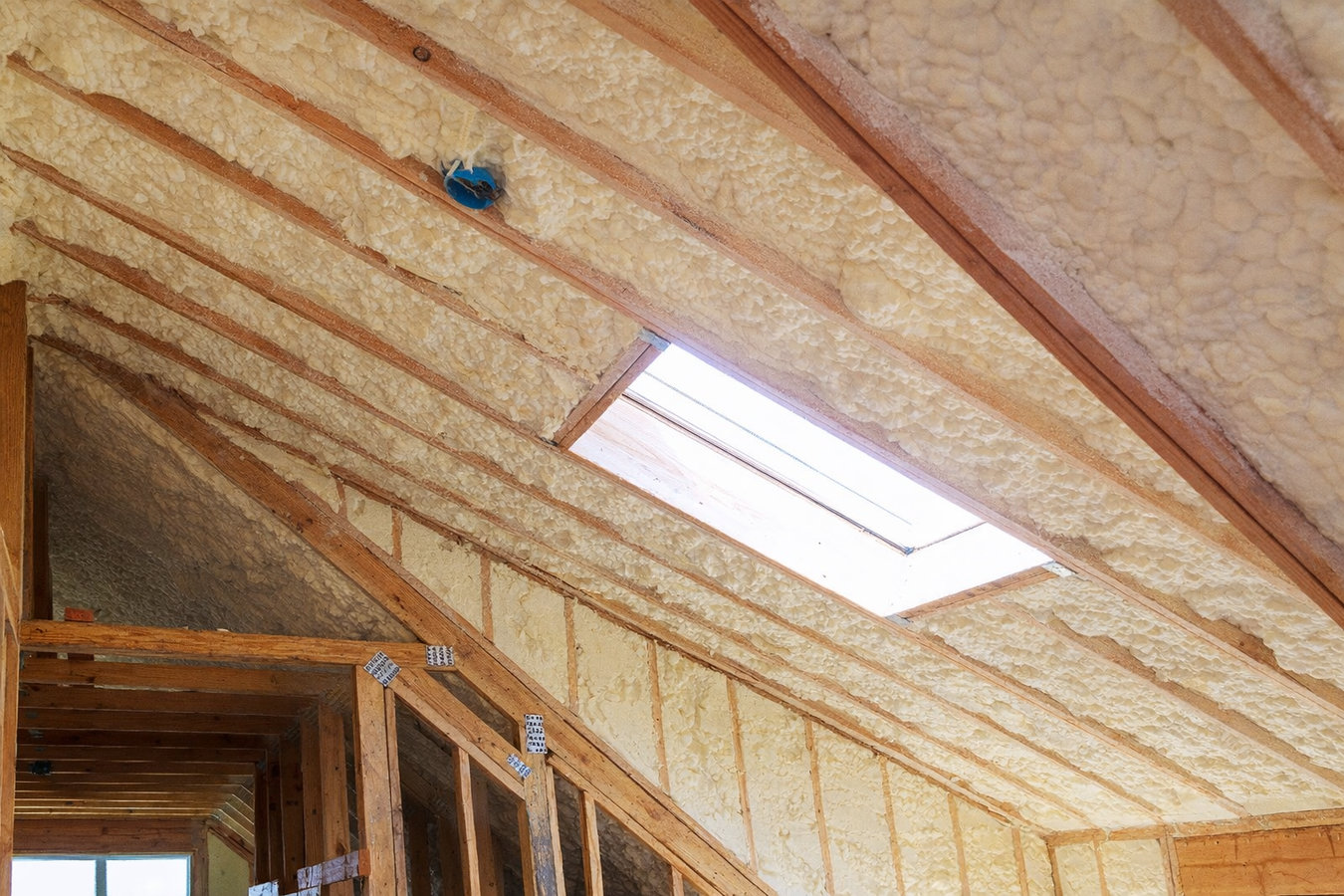
Muscatine homes lose more heat than they should through attics, walls, and crawl spaces. A full home insulation assessment finds exactly where the gaps are - and fixes them before winter hits.
Home insulation in Muscatine addresses heat loss across your entire house - attic, exterior walls, crawl space, and basement rim joists - with the type and method matched to each location. For most homes, an attic project can be done in a single day. Wall and crawl space work may add a day depending on scope.
Many homes in Muscatine were built before modern insulation standards existed, and that history shows up on every utility bill in winter. Heat rises and escapes through a thin attic ceiling. Cold seeps in through uninsulated crawl spaces and makes floors feel like ice in January. A whole-home approach addresses all of it in the right sequence rather than patching one area and wondering why the bills are still high. If you are starting with just one area, our retrofit insulation service is designed for exactly that kind of targeted upgrade in an occupied home.
Homes that also need old material removed before new insulation goes in can start with our insulation removal service, which clears the attic or crawl space before the upgrade work begins.
If your gas or electric bill spikes each November and does not come back down until spring, your home is likely losing heat faster than it should. Muscatine winters are long and cold, and a home with thin or aging insulation runs its furnace much harder than necessary. If bills feel out of proportion to the size of your home, insulation is one of the first things worth checking.
If one bedroom or a corner of your living room stays cold no matter how high the thermostat goes, that area is not well insulated. In older Muscatine homes, this often shows up in rooms above garages, at the ends of the house, or on upper floors where attic insulation is thin. It is not a heating system problem - it is a heat-loss problem.
Ice dams happen when heat escaping through a poorly insulated attic melts snow unevenly, and that water refreezes at the cold eaves. Muscatine gets enough winter snow and freeze-thaw cycles to make this a real concern year after year. If you have seen this pattern on your roof, it is a reliable sign the attic needs attention.
Cold floors in winter - especially in rooms above a crawl space or unheated basement - are a common sign the underside of your home is not insulated. Many Muscatine homes have crawl spaces that were never sealed or insulated. If you find yourself wearing thick socks all winter or avoiding certain rooms, the problem is likely coming from below.
We handle every part of the thermal envelope - attic, walls, crawl space, and basement - so you are not managing multiple contractors or getting incomplete coverage. Every assessment starts with a full walkthrough and includes a written estimate that breaks out each area of work. If you have never had your home evaluated, you may be surprised how much room for improvement exists in spaces you rarely think about. Homes that need a fresh start after years of settled or damaged material can combine this with our insulation removal service before new material goes in.
Older homes that cannot easily have walls opened up can still improve significantly through retrofit insulation techniques that add coverage without major demolition. We recommend this approach frequently for the pre-1980 homes that make up a large share of Muscatine's housing stock.
The highest-impact starting point for most homes - addresses the largest surface area of heat loss in a single day.
Solves the cold-floor problem in homes with an uninsulated crawl space underneath living areas.
Best for older homes with little or no insulation in exterior walls, improving comfort room by room.
Seals the gap where your foundation meets your framing - a common and overlooked source of cold air infiltration.
Closes gaps around fixtures, pipes, and penetrations so insulation performs as intended rather than being bypassed by air movement.
Targeted upgrades using methods that add coverage without opening walls or requiring you to vacate the home.
Muscatine sits in Iowa's climate zone 5, which means genuinely cold winters and a heating season that stretches from October through April. The U.S. Department of Energy recommends higher insulation levels for attics and walls in this zone than in warmer parts of the country - and many Muscatine homes fall significantly short of that target. A large share of the city's housing stock was built before the 1980s, particularly in the older neighborhoods near the Mississippi River and downtown. Those homes were constructed under very different standards, and many have little or no insulation in the walls and only a thin layer in the attic. There is a lot of room for improvement, and the payback in comfort and lower energy costs tends to come quickly.
Muscatine's location along the river also means summer humidity is a real factor. Warm, humid air meeting cooler surfaces inside walls or the attic can condense and cause moisture problems if insulation work is not done with that in mind. We assess every home for moisture before recommending materials, which is especially important in homes near the riverfront. Whether your home is in Muscatine or in a nearby community like West Liberty, these same seasonal conditions shape every job we do.
We respond to all inquiries within one business day. A brief conversation covers your home's age, which areas concern you most, and what has been prompting you to look into insulation. No commitment required.
We walk through your home and check the attic, any crawl space or basement, and sometimes exterior walls. We measure what is already there, look for air leaks, and note any moisture issues that should be addressed before new insulation goes in. This visit typically takes 30 to 60 minutes.
After the assessment you receive a written estimate that breaks out each recommended area of work with materials and total cost. We explain why each item is on the list - not just hand you a number. This is also when we walk through any available utility rebates.
Attic jobs are typically done in a single day. Projects including crawl space or multiple areas may take two days. When the work is finished, we walk you through the completed areas, confirm R-values achieved, and flag anything to monitor. Your home is usable right away.
Free whole-home assessment, written estimate by area, no obligation. We respond within one business day.
(563) 261-8903Many contractors offer attic insulation and nothing else. We assess and address the full thermal envelope - attic, walls, crawl space, and basement - so you are not left wondering why comfort did not improve after the attic work.
Our experienced crews have insulated homes across Muscatine and the surrounding area, and we do not subcontract the work. We coordinate permits when a project needs them, document what was done, and walk you through the finished job.
Muscatine's river-corridor humidity makes moisture management part of every insulation decision. We check for existing moisture issues before any material goes in, because covering a moisture problem with new insulation makes it worse - not better.
Many of the homes we work on in Muscatine were built before 1960. We know what to expect in those attics and crawl spaces - irregular framing, limited access, and sometimes old material that needs attention before anything new goes in.
Every project starts with an honest assessment of what your home actually needs. We do not pad estimates with work that will not make a difference, and we do not leave without showing you the finished results.
More questions? Call us directly or visit the U.S. Department of Energy insulation guide for recommended R-values by climate zone.
Remove old, settled, or damaged insulation before a full upgrade - handled as part of the same project timeline.
Learn MoreAdd insulation coverage to an existing occupied home without opening walls or requiring major renovation work.
Learn MoreIowa heating season starts in October - the sooner your home is assessed, the sooner you stop paying for heat that escapes before it warms the room.