
Loading...
Serving Muscatine, IA and surrounding areas. (563) 261-8903
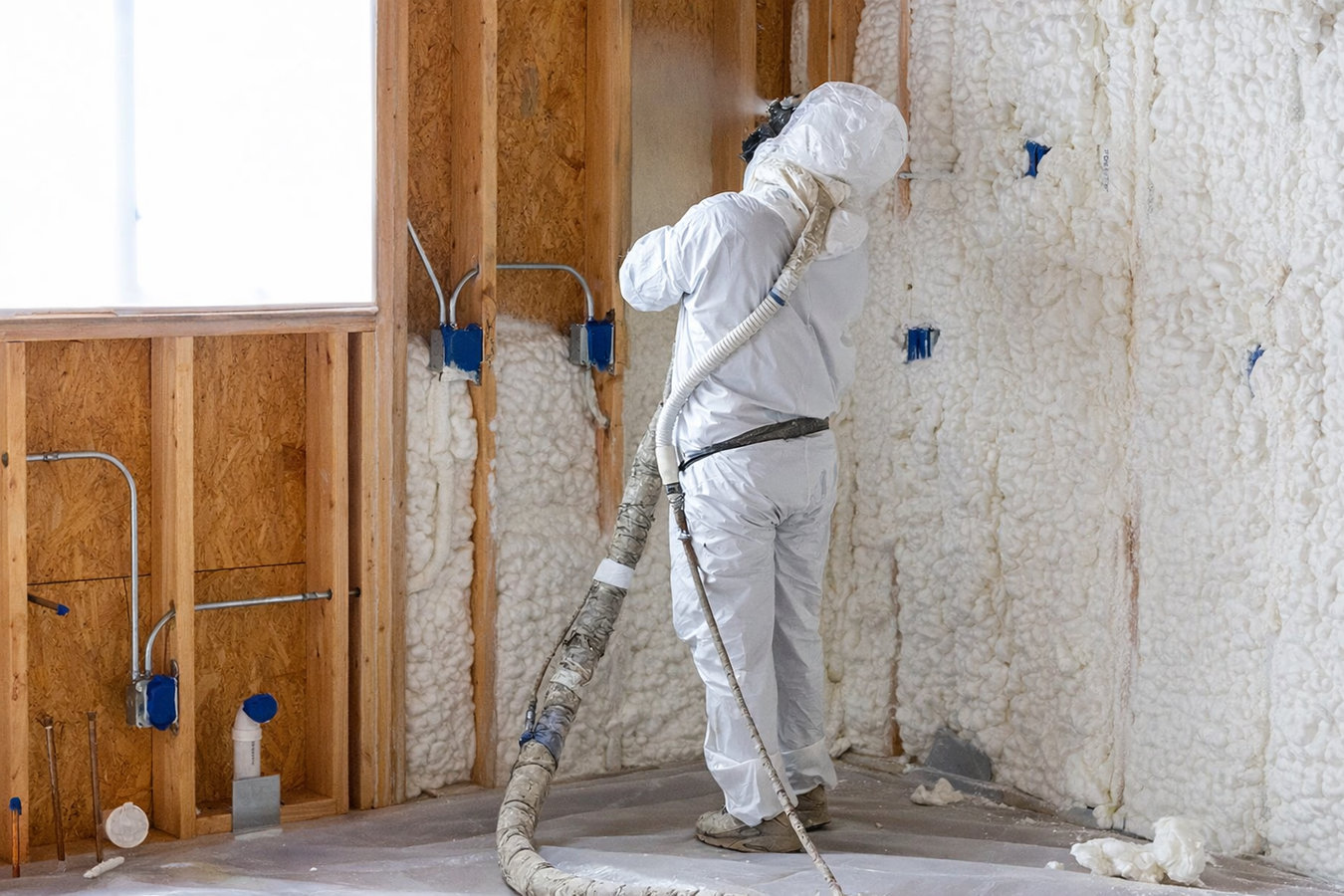
Muscatine Insulation is a local insulation contractor serving Iowa City, IA with spray foam insulation, attic insulation, and basement insulation for homeowners throughout Johnson County. We have been working in the area since 2018 and understand the range of housing here - from the craftsman bungalows and foursquares in Northside and Goosetown to mid-century homes near the University of Iowa campus and newer builds in Windsor Ridge.
Iowa City's older homes - especially the craftsman bungalows and foursquares built from the 1920s through the 1950s in Northside and Goosetown - have original framing with rim joists, wall cavities, and attic framing that batts cannot fully seal. Spray foam expands into those irregular gaps and sets as both insulation and an air barrier, making it the most effective upgrade for homes where drafts and high heating bills have been a persistent issue. See the full details on our spray foam insulation page.
Iowa City averages around 30 inches of snow per year, and ice dams along roof eaves are a recurring problem when attic coverage is thin. Many homes built in the 1940s through 1960s near the University of Iowa campus still carry original attic insulation that has settled and compacted over decades. Increasing that coverage is one of the highest-impact insulation upgrades available for Iowa City homeowners, and it typically does not require any demo work.
Most Iowa City homes are built on full basements, and those basement walls sit in clay-heavy soil that holds water against the foundation long after rain stops. Insulating basement walls and rim joists with closed-cell foam creates a moisture barrier and cuts heat loss at the same time - a combination that is especially valuable in older homes where the basement has never been treated.
Some older Iowa City homes and a portion of the rental housing stock near campus have crawl spaces rather than full basements. Crawl spaces in this area face ground moisture pressure from clay soil and cold air pooling under the house in winter. Insulating and air-sealing the crawl space removes cold floors on the main living level and stops moisture from reaching the floor framing above.
For Iowa City homes built in the 1990s and 2000s in subdivisions like Windsor Ridge and Saddlebrook, original attic insulation is often present but undersized. Blown-in loose-fill is the fastest way to bring coverage up to current levels without demolition - the material flows around existing framing and HVAC runs in the attic floor and is typically completed in a single visit.
Iowa City has a large share of homes built before 1980, many of which were never properly insulated to begin with or were insulated with materials that have since settled and degraded. Retrofit insulation brings these homes closer to current energy standards without requiring a full renovation - targeted work in the attic, rim joists, and walls delivers the biggest performance gains for the investment.
Iowa City sits in Johnson County along the Iowa River, with a climate that puts serious demands on home insulation. Winters average around 30 inches of snow, January temperatures regularly drop below 10 degrees Fahrenheit, and the frost line can push 40 inches or more into the ground. That means five to six months of sustained heating load each year, and every gap in your home's thermal envelope costs you money every single week during that stretch. The clay-heavy soil that underlies most of Johnson County adds a moisture challenge on top of the thermal one - clay holds water against foundation walls long after rain stops, which is why basement water intrusion and crawl space moisture are recurring problems in this area. Homes near the Iowa River corridor see additional groundwater pressure during spring snowmelt and after heavy rain events.
Iowa City's housing stock is heavily weighted toward older properties. Census data shows that more than half the city's housing was built before 1980, with a significant portion dating to the 1940s through the 1960s. Those homes - the craftsman bungalows in Goosetown, the two-story foursquares in Northside, the mid-century colonials near the university campus - were built before modern insulation standards existed. They typically have no insulation in rim joists, thin or no wall cavity insulation, and attics that were never air-sealed. The University of Iowa's presence also means a large share of the housing stock is renter-occupied, which leads to deferred maintenance on many properties. For homeowners who do own in Iowa City, the gap between what an older home currently has and what it needs is where insulation work delivers the clearest return.
Our crew works throughout Iowa City regularly, and we understand the local conditions that affect insulation work here. When permits are required, we work with the City of Iowa City Building Services division to keep projects properly documented. We know the Northside and Goosetown neighborhoods well - tight attic access, non-standard framing dimensions, and original plaster walls are common there, and our crew comes prepared for that kind of work rather than treating it as a surprise.
Iowa City has a clear geography that helps us know what to expect before we arrive. Homes near the Iowa River and City Park corridor tend to be older and may have a history of water intrusion that needs to be addressed alongside insulation work. The neighborhoods on Muscatine Avenue and near the Ped Mall are mostly pre-1960 homes where rim joist and attic work is the highest priority. Newer builds out in Windsor Ridge and Saddlebrook are a different situation - the framing is standard and the work is faster, but those homes are reaching the age where original attic insulation needs topping up for the first time. Hailstorms move through this part of Iowa most summers, and if your roof or siding took damage in a recent storm, insulation work often comes into the repair conversation.
Iowa City connects directly to Coralville, and we serve both cities on the same schedule. We also regularly work in West Liberty to the east, so if you are anywhere in Johnson County or the surrounding area, we are a short drive away.
Reach out by phone or through our contact form. We respond within 1 business day and schedule an in-home visit - most appointments are available within a few days, so you are not waiting long to get started.
A crew member walks the areas you want insulated, takes measurements, checks for moisture issues in the basement or crawl space, and tells you exactly what we find before any cost discussion. This visit is free, and you are not committing to anything by having us come out.
After the visit you receive a written estimate that breaks down the work, the materials, and the total cost. We will let you know upfront if a permit is needed and handle pulling it. We do not push for a quick answer - take the time you need to review and compare.
On installation day the crew completes the work and cleans the space before leaving. For spray foam jobs, you receive a specific written re-entry time before we start. A final walkthrough lets you see the coverage yourself and ask any questions before we pack up.
Whether your home is a 1930s bungalow in Goosetown or a newer build out in Windsor Ridge, we will come out, take a look, and tell you exactly what your home needs. Call or fill out the form and we will respond within 1 business day.
(563) 261-8903Iowa City is a mid-sized city of about 74,000 residents in Johnson County, built around the University of Iowa and its affiliated hospital system. The city has higher median home values than the Iowa average, driven by a stable professional workforce and consistent demand. The housing stock breaks into distinct zones: the Northside Marketplace area and Goosetown neighborhood are filled with craftsman bungalows, American foursquares, and early 20th-century two-story homes - properties where original character is preserved but insulation and energy performance often fall well short of current standards. The Longfellow neighborhood along Muscatine Avenue has a similar character. Moving outward, mid-century colonials and ranches sit in the blocks around Kinnick Stadium and south of the downtown Ped Mall. On the city's edges, subdivisions like Windsor Ridge and Saddlebrook built from the 1990s onward have newer, larger homes that are now reaching their first major maintenance cycle.
Most homes in Iowa City are built on full basements - a standard feature across the Midwest where deep frost lines require deep foundations. The Iowa River runs through the city, and the 2008 Iowa City flood affected low-lying parts of the city significantly, which is why basement moisture management and proper vapor barriers are a recurring topic for homeowners near the river corridor. Iowa City shares its western boundary with Coralville, and we serve both communities together. We also regularly work in West Liberty to the east for homeowners in that part of Johnson and Muscatine counties.
Seal gaps and boost energy efficiency with professional spray foam application.
Learn MoreWarm basements and lower energy costs with expert insulation installation.
Learn MoreHigh-density closed-cell foam delivers superior moisture and thermal resistance.
Learn MoreFlexible open-cell foam provides excellent soundproofing and air sealing.
Learn MoreEnergy-efficient insulation solutions for commercial and industrial buildings.
Learn MoreBlock moisture intrusion and protect your home's structural integrity.
Learn MoreProfessional vapor barrier installation keeps moisture out of your home.
Learn MoreUpgrade existing insulation without major renovation or demolition work.
Learn MoreFree estimates, honest scopes, and work that holds up through Iowa winters. Serving Iowa City, Coralville, West Liberty, and surrounding communities.