
Loading...
Serving Muscatine, IA and surrounding areas. (563) 261-8903
Muscatine Insulation is an insulation contractor serving Rock Island, IL with spray foam insulation, attic insulation, and commercial insulation for property owners throughout the Quad Cities area. We have been working in the region since 2018 and know exactly what Rock Island properties look like from the inside - from the brick Victorians and Craftsman bungalows near Longview Park to the two-flats and frame houses closer to the river. We respond to every inquiry within one business day.
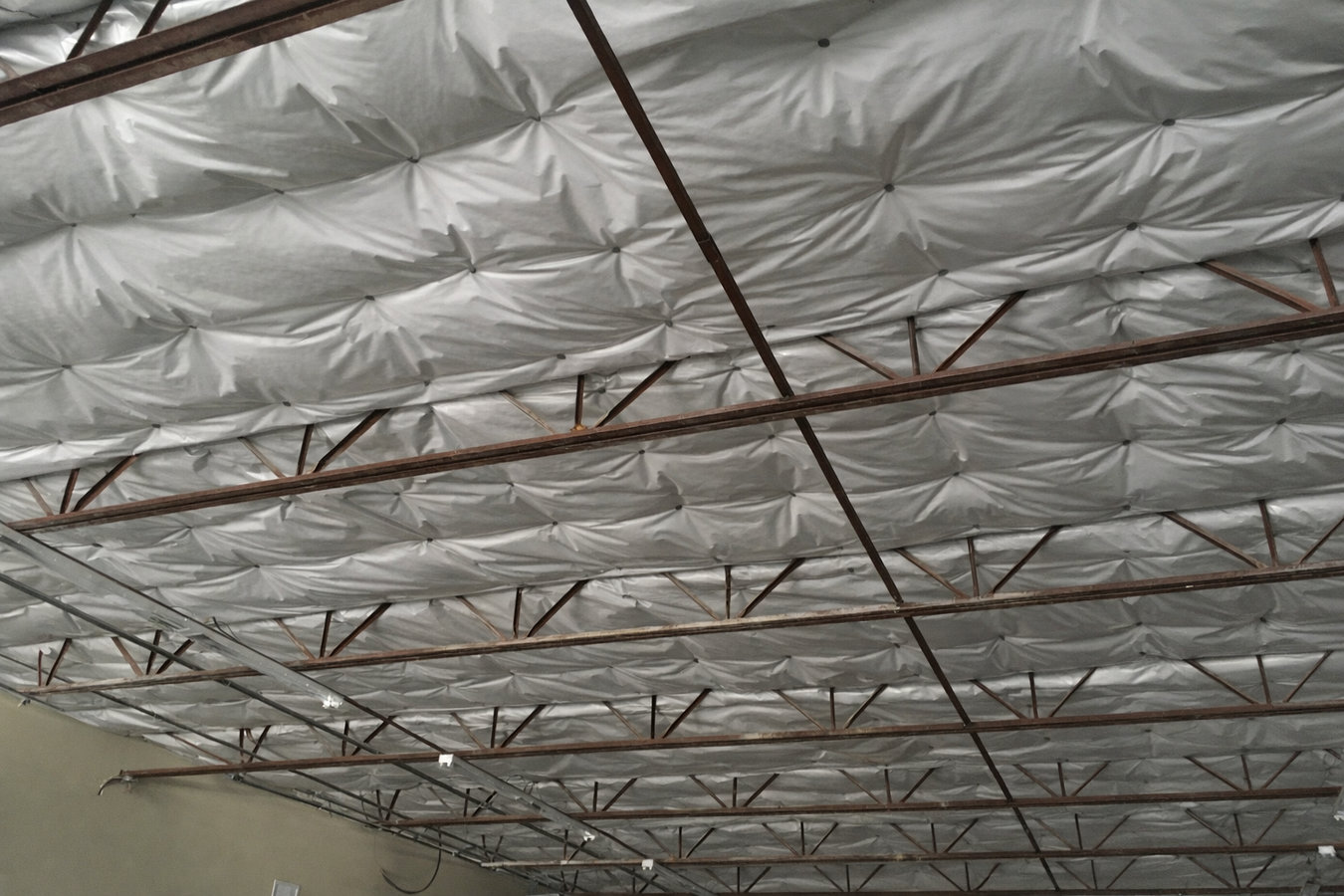
Rock Island has a significant stock of older commercial buildings and multi-unit properties - many of which were built in the same pre-1960 era as the city's homes and have the same energy performance problems. Whether you manage a small office building, a rental property, or a mixed-use space, commercial insulation upgrades reduce operating costs and make the space more comfortable for tenants. Learn more about our approach on the commercial insulation page.
Rock Island's older brick and wood-frame homes often have no insulation in wall cavities and unprotected rim joists above the foundation. Spray foam expands into irregular framing gaps and sets as both insulation and an air barrier, delivering measurable results in a single application. It is the most common upgrade we perform in Rock Island's pre-1960 housing stock.
Victorian and Queen Anne-style homes near 7th Avenue and Longview Park typically have steep, compartmentalized roof structures that make attic access and coverage more complex than in a standard ranch or split-level. Rock Island winters - with temperatures regularly below 10 degrees Fahrenheit - demand proper attic coverage to prevent ice dams and keep heating costs in check throughout the season.
Full basements are standard in Rock Island's older homes, and those foundation walls sit in clay-heavy soil that holds moisture and shifts with every wet spring and dry summer. The city's proximity to the Mississippi River elevates groundwater levels during high-water periods, making basement moisture management here more pressing than in inland communities. Insulating walls and rim joists addresses both heat loss and the moisture intrusion that follows.
Many of Rock Island's brick and wood-frame homes from the early 1900s have wall cavities with no insulation at all. Blown-in dense-pack insulation can be added through small drilled holes without removing brick or interior plaster, which is the correct approach for homeowners in Rock Island's historic neighborhoods who want better thermal performance without disturbing original finishes.
In Rock Island's oldest homes, air leakage through gaps around plumbing penetrations, unblocked wall cavities, and original attic bypasses accounts for a substantial share of heat loss in winter. Sealing these pathways at the attic floor and at the rim joist delivers measurable results before any additional insulation is added - especially in Victorian-era homes where the interior framing has dozens of unintended air channels.
Rock Island sits directly on the Mississippi River in Rock Island County, and the climate here places significant demands on home insulation. Winters average 25 to 30 inches of snow, with temperatures that regularly drop below 10 degrees Fahrenheit and frost penetrating the ground 30 to 40 inches deep. The freeze-thaw cycle from January through March puts sustained stress on foundations, concrete, and masonry - a particular issue given the city's large stock of brick-exterior Victorians and Craftsman bungalows. The clay-heavy soil that underlies most of Rock Island expands when wet and contracts when dry, shifting foundation walls and creating chronic moisture pressure in basements and lower-level spaces. The Mississippi River itself compounds this: during high-water seasons, groundwater levels rise throughout the city, and even homes well away from the riverbank can experience wetter conditions in their basements than homeowners in inland cities typically deal with.
What makes Rock Island distinct from neighboring Quad Cities communities is the age and construction style of its housing stock. A large share of homes in Rock Island were built before World War II - many before 1920 - and reflect the brick construction, high-pitched rooflines, and full-basement layouts that were standard in that era. These homes were built long before modern insulation standards existed, and a significant number have never received a meaningful insulation upgrade. Brick construction prevents exterior insulation approaches, so all work happens from the interior, in wall cavities and at the rim joists and basement walls. The city also has a notable mix of single-family homes and older multi-unit rental properties, and both types share the same energy performance challenges. Rock Island Arsenal employees and other working households in the city benefit directly from lower heating and cooling costs when these older buildings are properly insulated.
Our crew works throughout Rock Island regularly, and we understand the local conditions that affect insulation work here. Rock Island has one of the oldest housing stocks in the Quad Cities, and a meaningful share of our jobs in this city involve brick-exterior homes where all the insulation work happens from the inside - through the basement, the attic, and small holes drilled in interior walls. That requires different equipment setup and different planning than a standard new-construction job, and we build that into our estimates and schedules.
The city is oriented along the Mississippi River, with 11th Street and Illinois Route 92 running through the central neighborhoods, and Rocky Glen Road and Blackhawk Road connecting the residential areas in the north and east. Homes near the Rock Island government complex and Schwiebert Riverfront Park tend to be among the oldest in the city, while the Longview Park area includes some of Rock Island's most carefully maintained Victorian and Queen Anne-style homes. We work in both parts of the city and throughout the established neighborhoods in between.
We also serve nearby Moline, IL and East Moline for homeowners along the Illinois side of the Quad Cities who need insulation work. If you are not sure whether your home is within our service area, call us and we will tell you directly.
Reach us by phone or through the contact form on this page. We respond to every Rock Island inquiry within one business day and schedule your in-home visit at a time that works for you.
We visit your Rock Island property, assess the attic, basement, walls, and rim joists, and give you a written estimate before any work is discussed. There is no cost for the assessment, and no obligation to hire us afterward.
Most Rock Island insulation jobs are completed in a single day. You do not need to be present for the work if access is arranged, though many homeowners prefer to be there for attic and basement jobs.
When the job is done, we walk the space with you and explain what was done and why. If you have questions after we leave, call us directly - we stand behind the work we do in Rock Island.
No sales pressure. No obligation. Just an honest assessment of what your Rock Island home needs and what it will cost.
(563) 261-8903Rock Island is a city of around 36,000 people on the Illinois side of the Mississippi River, and one of the core cities in the Quad Cities metropolitan area. The city has been here since the mid-1800s, and that history shows in its neighborhoods. The area near 7th Avenue and Longview Park contains some of the most well-preserved Victorian, Queen Anne, and Craftsman bungalow-style homes in the region - large, carefully maintained properties that have been in families for generations. Rock Island Arsenal, the major U.S. Army manufacturing facility on an island in the Mississippi River, has been a stabilizing employer for the city since the Civil War era and continues to anchor a working-class homeownership base throughout the surrounding neighborhoods. For details on local government and services, residents use the City of Rock Island website.
The housing stock reflects the city's age and character. Brick construction is common in the central neighborhoods, while wood-frame homes with original clapboard or vinyl-covered siding are spread throughout the east and north sides. Full basements are standard in virtually every home built here before 1960, and the combination of old foundations, clay soil, and proximity to the river means basement moisture is a recurring issue across the city. Multi-unit rental properties are mixed into residential blocks throughout Rock Island, alongside owner-occupied single-family homes. We also serve Davenport, IA across the river and East Moline, IL for homeowners throughout the Illinois side of the metro.
Seal gaps and boost energy efficiency with professional spray foam application.
Learn MoreWarm basements and lower energy costs with expert insulation installation.
Learn MoreHigh-density closed-cell foam delivers superior moisture and thermal resistance.
Learn MoreFlexible open-cell foam provides excellent soundproofing and air sealing.
Learn MoreEnergy-efficient insulation solutions for commercial and industrial buildings.
Learn MoreBlock moisture intrusion and protect your home's structural integrity.
Learn MoreProfessional vapor barrier installation keeps moisture out of your home.
Learn MoreUpgrade existing insulation without major renovation or demolition work.
Learn MoreOlder Rock Island homes lose heat fast in an Illinois winter - call today for a free estimate and we will come to you within one business day.