
Loading...
Serving Muscatine, IA and surrounding areas. (563) 261-8903
Muscatine Insulation is an insulation contractor serving East Moline, IL with blown-in insulation, spray foam insulation, and attic insulation for homeowners throughout the Quad Cities. We have worked in this region since 2018 and regularly take on the craftsman bungalows, foursquares, and early frame homes that line East Moline streets - houses built during the city's manufacturing boom that are now 80 to 100 years old and typically running without the insulation they need. We reply to every inquiry within one business day.
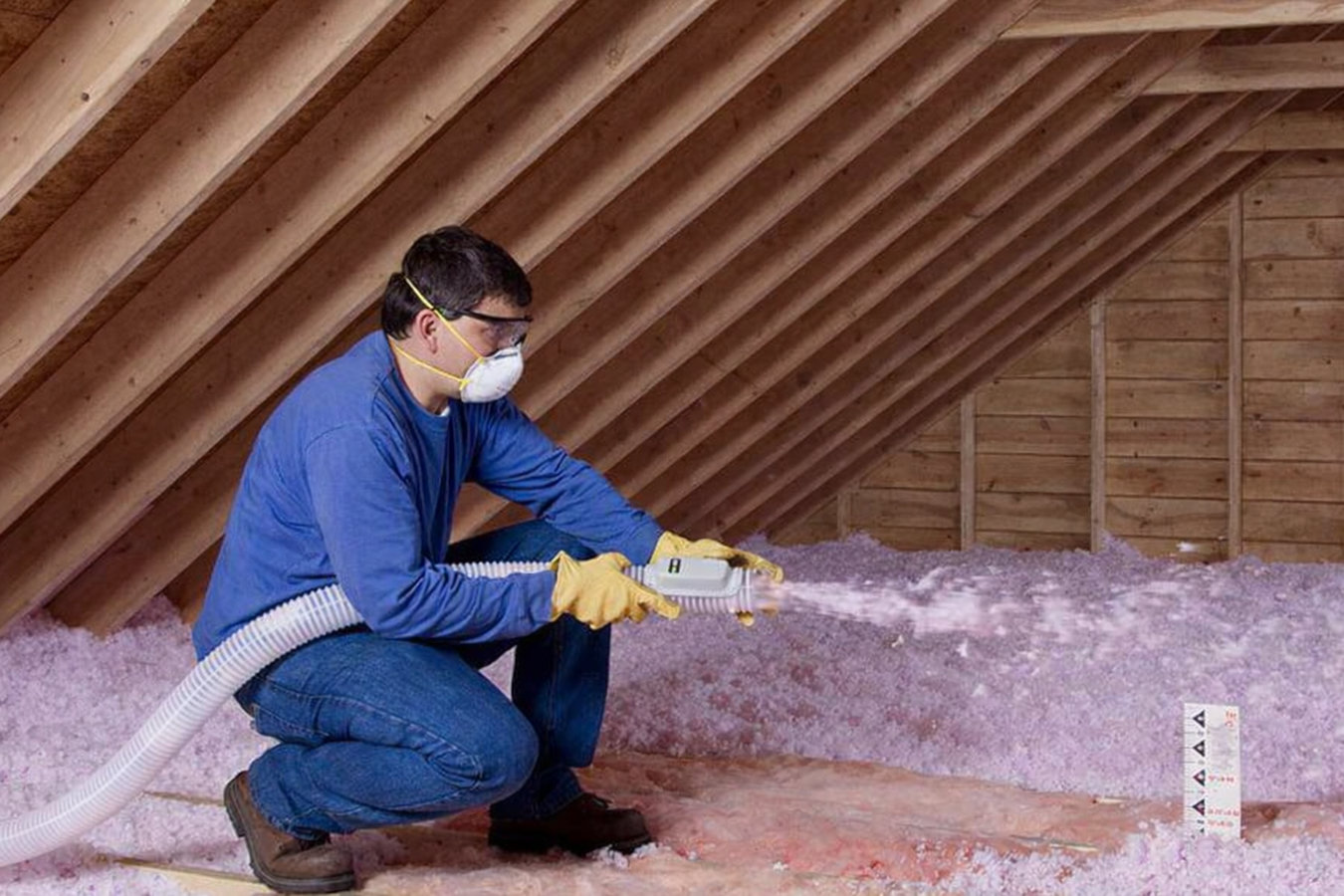
East Moline's older frame homes - foursquares, craftsman bungalows, and narrow two-stories from the 1910s through 1940s - commonly have wall cavities with nothing in them and attics with thin, degraded coverage. Blown-in insulation fills these spaces completely without requiring siding removal or interior renovation, which makes it the practical choice for homeowners who want better performance without tearing into original finishes. Learn more about the process and materials on our blown-in insulation page.
Rim joists and basement walls in East Moline's older homes are among the biggest sources of heat loss and cold-air infiltration in winter. Spray foam expands into the irregular framing gaps common in early 20th-century construction and sets as both insulation and an air barrier - one application addresses heat loss and draft problems that older homes deal with every single heating season.
East Moline winters regularly push ground frost 30 to 40 inches deep, and homes with thin attic coverage lose heat through the roof continuously from November through March. Foursquares and bungalows from the early 1900s - the most common housing type in East Moline - often have low attic heights and cramped access, which requires specific equipment and experience to insulate properly without compressing or disrupting existing framing.
Full basements are standard in East Moline's older homes, and the clay-heavy soil throughout Rock Island County holds moisture against foundation walls season after season. Insulating the basement walls and rim joists cuts heat loss at the base of the house and addresses the moisture pressure that causes damp walls and musty basements in these older properties over time.
A large share of East Moline's pre-1960 frame homes were built with exterior walls left entirely uninsulated - it was simply not standard practice at the time. Dense-pack blown-in insulation can be added to these cavities through small holes drilled from inside or outside, filling the wall from top to bottom without requiring siding replacement or plaster removal.
In East Moline's oldest homes, air leakage through unblocked wall cavities, gaps around plumbing and electrical penetrations, and original attic bypasses can account for as much heat loss as thin insulation. Sealing these pathways at the attic floor and rim joist before adding insulation layers delivers measurably better results - and it is always included in our attic work here.
East Moline is a manufacturing city that grew quickly in the early 1900s, and the housing built during that boom reflects the practical construction standards of the time - wood-frame or brick exteriors, full basements, and wall cavities that were left empty because insulation was not yet standard practice. Most of these homes are now between 80 and 110 years old. They sit in a climate where winter temperatures regularly drop below zero and ground frost reaches 30 to 40 inches deep - far beyond what the homes were designed to handle without significant heat loss. The clay-heavy soil throughout Rock Island County compounds the problem: it expands when wet and contracts when dry, placing chronic stress on foundations and basement walls while holding moisture against them through every wet season. For homeowners near the John Deere Harvester Works and throughout the city's established residential blocks, this translates into high heating bills, cold floors, and damp basements that become ongoing maintenance problems if not addressed at the source.
The city also experiences significant snowfall - typically 25 to 35 inches per year - along with severe summer thunderstorms that bring hail and high winds through Rock Island County. Ice dams on older roofs are a recurring problem in East Moline, and they almost always trace back to inadequate attic insulation. Homes with proper attic coverage and sealed bypasses do not form ice dams, because heat does not escape through the ceiling to melt snow on the roof above. East Moline also has a mix of older in-town homes on narrow lots and newer construction on the city's north and east edges - and the two types of housing have very different insulation needs, which requires a contractor who can assess the actual condition of your specific property rather than giving a generic recommendation.
Our crew works throughout East Moline regularly, and we understand the local conditions that affect insulation work here. A large share of our jobs in East Moline involve the narrow-lot frame homes built during the city's manufacturing boom - houses where the detached garage out back is accessed from the alley, the lot is 50 to 60 feet wide, and the attic access hatch is barely large enough to get equipment through. We build those realities into our scheduling and our process so nothing is a surprise on installation day.
East Moline runs along the Mississippi River, with 15th Avenue and John Deere Road as the main commercial corridors and the residential neighborhoods filling in between those streets and the river. The John Deere Harvester Works plant is one of the most recognized landmarks in the city, and many of the homes closest to it were built in the same era as the plant itself. Toward the north edge of the city, Illiniwek Forest Preserve along the Mississippi River marks the boundary between East Moline's older urban core and the newer residential development that has grown out toward Hampton and Carbon Cliff.
We also serve Rock Island, IL and Moline, IL for homeowners throughout the Illinois side of the Quad Cities. If you have questions about our coverage area, call us and we will give you a direct answer.
Reach us by phone or through the contact form. Every East Moline request gets a response within one business day, and we schedule your on-site visit at a time that works for your schedule.
We visit your East Moline property, look at the attic, basement, walls, and rim joists, and give you a written estimate covering the work and the cost. No charge for the visit, and no pressure to commit.
Most East Moline insulation jobs are completed in a single day. We set up, do the work, and clean up - you are not left with a half-finished job. For spray foam applications, we give you the re-entry time in writing before we start.
Before we leave, we walk through the completed work with you and answer any questions. If something comes up after we are gone, call us - we stand behind what we install in East Moline and respond to follow-up questions directly.
No pressure, no jargon. Just a straightforward assessment of your East Moline home and an honest price for the work it actually needs.
(563) 261-8903East Moline is a city of about 21,000 people in Rock Island County, Illinois, sitting along the Mississippi River between Moline to the south and Carbon Cliff to the north. The city grew rapidly in the early 20th century when manufacturing jobs drew workers in, and much of the housing was built to support that workforce. Craftsman bungalows, American foursquares, and narrow two-story frame homes on modest city lots - many with detached garages accessed from rear alleys - fill the established residential neighborhoods that stretch between John Deere Road and the river. The John Deere Harvester Works plant is one of the most recognized landmarks in East Moline and has shaped the city's identity and economy for generations. The homeownership rate in East Moline is above 60 percent, meaning most residents have a direct stake in maintaining and improving their properties.
The housing stock is predominantly older - a large share of homes date to before 1960, and many were built in the 1920s and 1930s. These homes were built without modern insulation and have been through nearly a century of Illinois winters. The city's edges have seen some newer ranch-style and two-story construction from the 1980s and 1990s, but the core neighborhoods remain largely the original housing from the manufacturing era. East Moline borders Moline, IL to the south and sits just across the Rock Island city limits from Rock Island, IL, and we serve all three cities throughout the Illinois side of the Quad Cities.
Seal gaps and boost energy efficiency with professional spray foam application.
Learn MoreWarm basements and lower energy costs with expert insulation installation.
Learn MoreHigh-density closed-cell foam delivers superior moisture and thermal resistance.
Learn MoreFlexible open-cell foam provides excellent soundproofing and air sealing.
Learn MoreEnergy-efficient insulation solutions for commercial and industrial buildings.
Learn MoreBlock moisture intrusion and protect your home's structural integrity.
Learn MoreProfessional vapor barrier installation keeps moisture out of your home.
Learn MoreUpgrade existing insulation without major renovation or demolition work.
Learn MoreEast Moline's older housing stock loses heat fast in an Illinois winter - call today for a free estimate and we will come to you within one business day.